
Poached eggs are a delightful dish that enchants the palate with its creamy texture and rich, runny yolk. Their subtle elegance makes them a versatile ingredient, perfect for breakfast, brunch, or a light dinner. This recipe for poached eggs offers a comforting feel and is surprisingly easy to make, even for novices in the kitchen. In this step-by-step guide, I’ll lead you through the process of achieving perfectly poached eggs that will surely impress your family and friends. With just a few simple ingredients and straightforward techniques, you’ll be on your way to creating this culinary classic.
Ingredients
- 6 eggs (fridge cold)
- 2 tbsp white vinegar or cider vinegar (for whirlpool method only)
The ingredients for poached eggs are incredibly humble, yet they hold the power to transform a simple meal into something spectacular. Each egg is a small, delicate package of nutrition, bringing softness and richness. The vinegar adds a tangy note and helps the whites to set properly, ensuring that your eggs keep their lovely shape.
Step-by-Step Directions
Prepare the Eggs
First, crack an egg into a small strainer set over a bowl or glass. This step helps the watery egg whites to drain off, ensuring that what remains is firm yet tender. Allow it to sit for about 30 seconds before gently transferring it to a teacup. Repeat this process for the number of eggs you plan to poach in one batch. While the whirlpool method allows for two eggs at a time, the easy method can accommodate up to six – so plan accordingly!
Boil the Water
Fill a pot with approximately 7.5 cm (3 inches) of water and bring it to a boil over high heat. Once boiling, reduce the heat just enough so that tiny bubbles rise from the bottom of the pot, but do not let large bubbles break the surface. This gentle simmer is crucial; it will help the eggs cook evenly without breaking apart.
Poaching the Eggs
For the easiest method, take the teacup and gently submerge it into the simmering water, allowing the egg to roll out onto the base of the pot. To keep your eggs neat, minimize the drop distance. Repeat this with any additional eggs, ensuring you do not take longer than 15 seconds to add each one.
After about 20 seconds, you should notice that the eggs are beginning to set but are not fully cooked. Using a slotted spoon, carefully turn the eggs upside down, starting with the first egg introduced into the pot and ending with the last. Let them cook for another minute before turning them again.
Check for Doneness
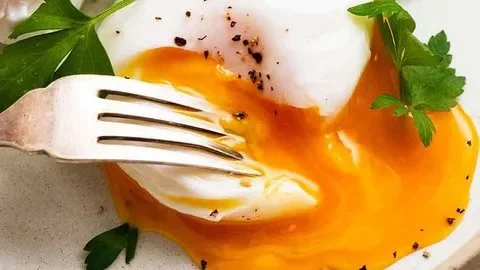
After an additional 30 seconds, use your slotted spoon to lift an egg out to check for doneness. The whites should feel soft yet set, while the yolks should still be runny, like a liquid velvet waiting to burst forth on your plate.
Drain and Serve
To remove the poached eggs, transfer them to a paper towel for about 15 seconds, allowing residual heat to dry the tops. Be cautious not to leave them too long or they may stick to the towel. Your beautifully poached eggs are now ready for serving!
Whirlpool Method (Optional)
If you choose to use the whirlpool method, start by adding a bit of vinegar to the boiling water. Stir the pot quickly to create a whirlpool effect before carefully slipping in the egg. Let the spinning water do the work, wrapping the whites around themselves to create a perfect shape. After 1.5 to 2 minutes, check for doneness just as before.
Multiple Eggs
For those ambitious enough to prepare several eggs, fill a larger pot with about 15 cm (6 inches) of water. Once the first egg has set (after approximately 30 seconds), you can add another egg using the swirling technique. Experts can poach up to four eggs together, but beginner cooks may find the easy method more manageable.
Storing and Reheating
If you’re making several poached eggs in advance, store them in cold water to prevent further cooking. You can even use ice water to help maintain the temperature. When you’re ready to serve them, simply bring a pot of water to a soft boil, add the cold eggs for about 30 seconds to warm through, then drain and serve.
Tips & Tricks
- For the best results, start with the freshest eggs possible; this ensures a firmer structure and less watery whites.
- If you’re nervous about the poaching process, why not practice with a couple of eggs on your first try? This will help you get the timing and technique down.
- Consider adding a splash of vinegar only if using the whirlpool method, as it can help to keep the eggs together but isn’t strictly necessary.
Serving Suggestions & Pairings
Poached eggs are wonderfully versatile. Serve them on slices of toasted sourdough, perhaps topped with creamy avocado for an indulgent breakfast. They also shine on steamed asparagus or make a delightful Eggs Benedict with a drizzle of hollandaise sauce. For a heartier meal, add them on top of homemade baked beans or a fresh Caesar salad.
Nutritional Information
A single poached egg contains approximately 70 calories, along with essential nutrients such as protein, Vitamin D, and choline. Incorporating poached eggs into your diet offers a delicious source of energy while maintaining nutritional balance.
Storing Tips & Variations
Leftover poached eggs can be stored in cold water in the refrigerator for up to two days. When reheating, follow the previous instructions, keeping the process quick to avoid further cooking. Additionally, feel free to experiment with different seasonings or toppings, such as herbs, spices, or smoked salmon, to change up the flavor profile.
Conclusion
Poached eggs are a delightful and rewarding dish that can bring comfort and joy to any meal. The simplicity of the recipe combined with the delightful flavor makes it a must-try for anyone looking to elevate their culinary skills. I encourage you to try making poached eggs at home, experiment with your favorite toppings, and share your experiences!
FAQs
1. How do I know when my poached eggs are done?
The whites should be soft yet set, with runny yolks. If you prefer firmer yolks, leave them in the water for an extra minute or two.
2. Can I use frozen eggs for poaching?
It’s best to use fresh eggs for poaching. Frozen eggs may not hold their shape well when cooked.
3. What if my eggs fall apart while poaching?
If this happens, it may be because the eggs were not fresh enough or the water was boiling too vigorously. Always keep the water at a gentle simmer.
4. Can I poach more than two eggs at once?
Yes! With practice, you can poach multiple eggs simultaneously using the whirlpool method or the easy method.
5. Are there alternatives to vinegar in poaching?
While vinegar can help prevent the whites from dispersing, you can omit it and still achieve good results. Fresh eggs are key!
Poached Eggs
Ingredients
Method
- Crack an egg into a small strainer set over a bowl to drain off watery egg whites. Let it sit for 30 seconds, then transfer it to a teacup.
- Fill a pot with about 3 inches of water and bring it to a boil. Reduce heat to maintain a gentle simmer with tiny bubbles rising.
- Gently submerge each teacup into the simmering water, allowing the egg to roll out into the pot.
- Add eggs within 15 seconds, and after 20 seconds, use a slotted spoon to turn them, starting with the first egg.
- After an additional 30 seconds, check the eggs. The whites should be soft yet set, while yolks remain runny.
- Transfer the poached eggs to a paper towel for 15 seconds to dry. Serve immediately.
- Add vinegar to boiling water and stir to create a whirlpool before slipping in the egg. Check for doneness after 1.5 to 2 minutes.


Leave a Reply