
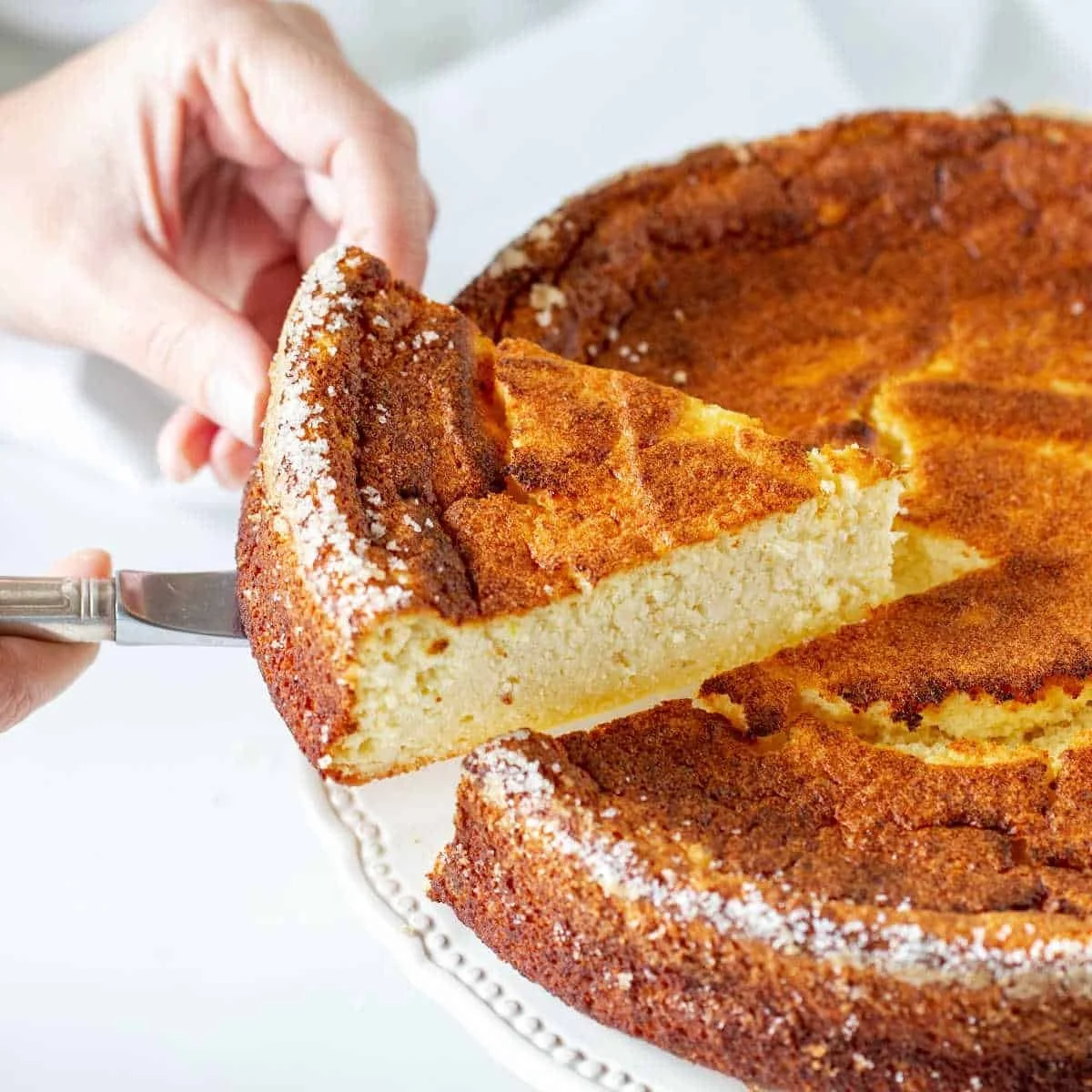
Baked Ricotta Cheesecake (No Crust)
Baked Ricotta Cheesecake is a delightful and decadent treat that offers a unique twist on the classic cheesecake. With its smooth, creamy texture and subtle notes of orange zest, this cake is both comforting and indulgent. The absence of a crust makes it not only easier to prepare but also allows the rich flavors of ricotta and citrus to shine through. In this step-by-step recipe, you will discover how simple it is to create a delicious dessert that is perfect for any occasion, from family gatherings to quiet nights at home.
Ingredients
To create this scrumptious Baked Ricotta Cheesecake, you’ll need the following ingredients:
- ¾ cup white granulated sugar, plus more for dusting
- 1 ½ pounds whole milk ricotta, at room temperature for that creamy texture
- 6 large eggs, also at room temperature, which helps them combine better
- ¼ cup all-purpose flour, adding just the right amount of structure
- ¼ teaspoon salt, enhancing all the flavors
- 2 tablespoons orange zest from 2 juicy oranges, infusing the cheesecake with sweet citrus aroma
- ½ teaspoon vanilla extract (optional), for an aromatic touch
These ingredients come together to create a rich, velvety cheesecake that is absolutely irresistible.
Step-by-Step Directions
-
Preheat the oven: Begin by preheating your oven to 350ºF (180ºC). This ensures that the cheesecake bakes evenly throughout.
-
Prepare the pan: Butter a 9-inch round cake pan with a removable bottom. Dust it with sugar, shaking off any excess. This will give the cheesecake a lovely golden finish.
-
Mix the ricotta: In a large mixing bowl, combine the ricotta, orange zest, and vanilla extract if you’re using it. You can choose to beat this mixture for about a minute for a smoother texture, but it’s perfectly fine to leave it slightly chunky for a more rustic feel.
-
Add the dry ingredients: Next, sprinkle in the flour, half of the sugar, and salt. Mix everything well until fully combined. This creates a delicious base for your cheesecake.
-
Separate the eggs: Separate the 6 eggs one by one; add the yolks directly to the ricotta mixture, placing the whites into a separate clean and dry bowl. It’s essential that this bowl is free of any oil or grease for the best results.
-
Beat the egg whites: Using a stand mixer, beat the egg whites for about 30 seconds. Gradually add the remaining sugar while still beating at medium speed. Continue until the mixture has foamed and tripled in volume, forming medium-soft peaks when you lift the beater.
-
Incorporate the whites: Gently fold the beaten egg whites into the ricotta mixture in three parts. After each addition, make sure to incorporate the last part almost completely before adding the next. This method helps retain the airy texture of the cheesecake.
-
Bake the cheesecake: Pour the mixture into the prepared pan, smoothing the surface. Bake for 50-55 minutes until the top is golden, but the center still has a gentle wiggle when lightly shaken—much like brownie batter.
-
Cool the cake: Once baked, remove the cheesecake from the oven and let it cool for about 10 minutes on a wire rack. Then, run a smooth knife around the edges to prevent sticking.
-
Chill and serve: Allow the cheesecake to cool completely in the pan. For best results, wrap the pan in plastic wrap and refrigerate for a few hours or until the next day before slicing. This chilling enhances the flavors beautifully.
Tips & Tricks
- Use high-quality ricotta: For the best flavor and texture, choose a whole milk ricotta that is fresh and creamy. This will significantly enhance your cheesecake’s richness.
- Room temperature ingredients: Ensure that your ricotta and eggs are at room temperature. This helps create a smoother batter without lumps.
- Don’t overmix: When folding in the egg whites, be gentle. Overmixing can deflate them, losing that airy texture that makes the cheesecake light and fluffy.
Serving Suggestions & Pairings
This Baked Ricotta Cheesecake shines on its own, but you can elevate it with various serving suggestions. A dusting of powdered sugar or a dollop of whipped cream pairs beautifully with its creamy texture. You might also consider topping it with fresh berries or a fruit compote for a burst of color and flavor. This cheesecake is perfect for birthdays, holiday gatherings, or as a sweet surprise just for yourself.
Nutritional Information
Each slice of this Baked Ricotta Cheesecake offers about 300 calories, delivering a satisfying and rich taste while still respecting your dietary balance. It’s worth noting that while cheesecake is a treat, enjoying it in moderation is key to a balanced diet. It is also high in protein and provides a good source of calcium from the ricotta.
Storing Tips & Variations
To store your cheesecake, cover it tightly with plastic wrap or transfer it to an airtight container. It can be kept in the refrigerator for up to a week. For longer storage, consider freezing individual slices; they freeze well and can easily be reheated when a craving strikes. If you’d like to try variants, consider adding different citrus zest or even a hint of almond extract for a unique twist.
Conclusion
I encourage you to try this Baked Ricotta Cheesecake recipe and indulge in its creamy goodness. Sharing it with friends and family is an excellent way to bring everyone together, and I’d love to hear about your experience—how it turned out and any variations you tried!
FAQs
-
Can I use low-fat ricotta cheese?
Absolutely! Low-fat ricotta can be used, though it may yield a slightly different texture and flavor. -
Can I freeze the cheesecake?
Yes, you can freeze the cheesecake for up to 2-3 months. Be sure to wrap it well to prevent freezer burn. -
What can I use instead of orange zest?
Lemon zest is a wonderful substitute if you’re looking for a different citrus flavor. -
How do I know when the cheesecake is done?
The cheesecake is done when the top is golden brown, and the center has a slight jiggle, similar to custard. -
Can I add a crust to this cheesecake?
While this recipe is designed without a crust, you can certainly press a graham cracker or cookie crust into the bottom of your pan for added texture if desired.
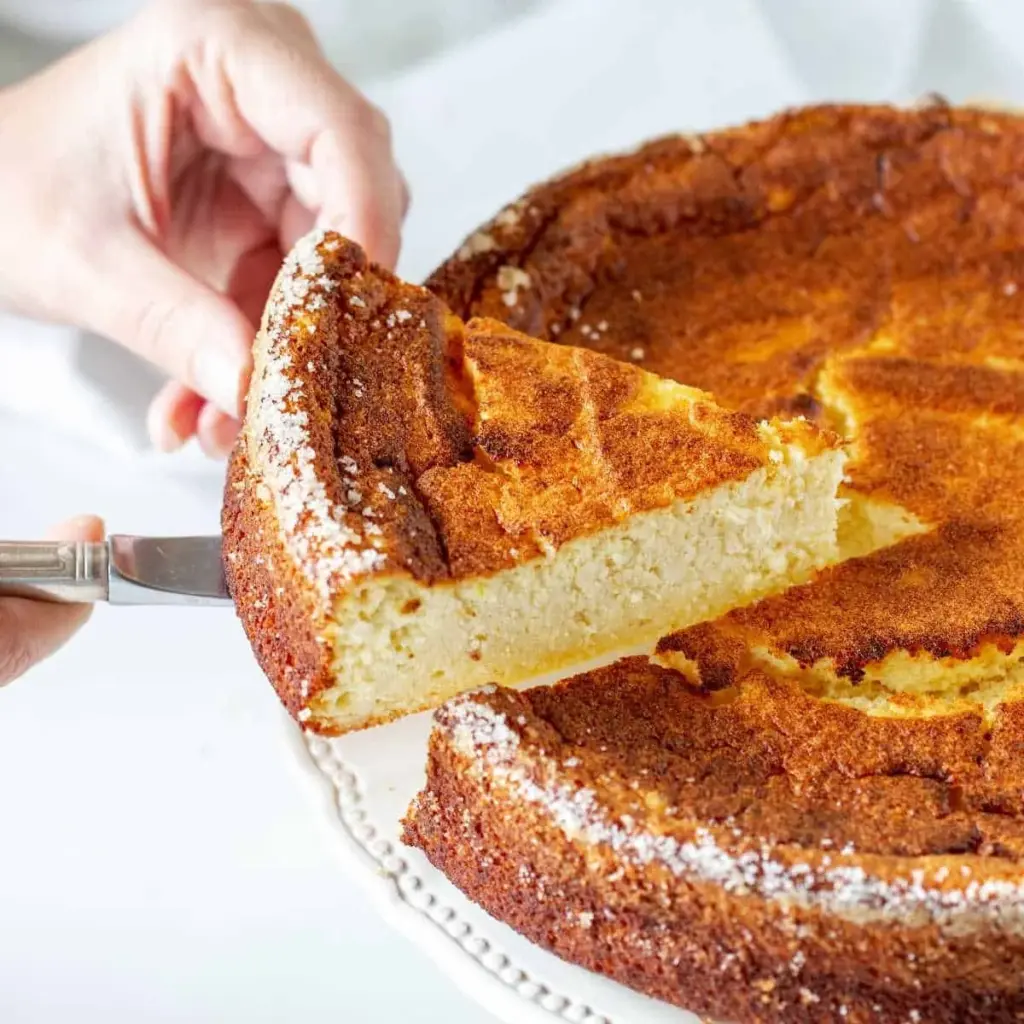
Baked Ricotta Cheesecake
Ingredients
Method
- Preheat the oven to 350°F (180°C).
- Butter a 9-inch round cake pan with a removable bottom and dust it with sugar.
- In a large mixing bowl, combine the ricotta, orange zest, and vanilla extract if using. Beat until smooth or leave slightly chunky.
- Sprinkle in the flour, half of the sugar, and salt. Mix until fully combined.
- Separate the eggs; add yolks to the ricotta mixture and whites to a separate clean bowl.
- Beat the egg whites for about 30 seconds, gradually adding the remaining sugar until foamed and tripled in volume.
- Gently fold the beaten egg whites into the ricotta mixture in three parts.
- Pour the mixture into the prepared pan and smooth the surface.
- Bake for 50-55 minutes until the top is golden and the center jiggles slightly.
- Let the cheesecake cool for about 10 minutes on a wire rack.
- Run a knife around the edges of the pan.
- Chill in the refrigerator for a few hours or overnight before slicing.

Leave a Reply